
 Bahasa melayu
 中文
中文








What to Eat for Liver Health? Discover Glutathione and Boost Liver Function Naturally
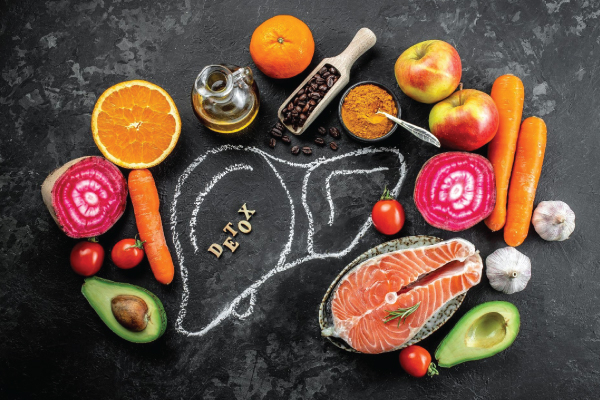
Why Is Liver Health So Important?
Could your fatigue, dull skin, or bloating actually be your liver signaling for help?
In today's fast-paced world, late nights, poor diet, alcohol consumption, long-term medication, and chronic stress are silently burdening your liver. Unlike other organs, the liver has no pain nerves. So when it’s in trouble, you may not feel pain, but you’ll see the signspersistent fatigue, bad breath, poor sleep, dull skin, or yellowing eyes.
By the time fatty liver, elevated liver enzymes, or liver fibrosis are detected, it’s often a warning that early care was missing. The good news? The liver is the only organ capable of significant regeneration. Give it the right support at the right time, and it will repair itself.

What Does the Liver Do for Your Body Every Day?
Your liver performs hundreds of life-sustaining tasks daily, including:
- Metabolism: converting food into usable energy and nutrients
- Detoxification: removing alcohol, drugs, heavy metals, and environmental toxins
- Synthesis: producing bile, proteins, clotting factors, and cholesterol
- Storage: holding vitamins, iron, and blood sugar reserves
When your liver isn’t functioning well, your immunity, energy, mood, and even appearance are affected. If you live a high-stress, fast-paced life, proactive liver care isn’t optionalit’s essential.
Do You Have These Hidden Signs of Liver Overload?
| Symptom | Root Cause | Solution Suggestion |
|---|---|---|
| Constant fatigue | Sluggish detox pathways | Add antioxidants like glutathione, green tea, blueberries |
| Poor sleep, vivid dreams, bitter taste in mouth | Excess internal heat, emotional stress | Normalize sleep, use taurine, probiotics |
| Dull skin or yellowish eye whites | Impaired bile processing | Vitamin C, seaweed to promote bile flow |
| Bloating, indigestion after meals | Poor liver qi flow, low bile secretion | Use milk thistle for liver cell regeneration |
Your body speaks in whispersthese signs suggest your liver is under pressure. The earlier you respond, the better your recovery potential.
What Are the Top Nutrients That Support Liver Function?
Scientific and clinical studies point to these 8 powerhouse nutrients for liver protection:
What Does Milk Thistle (Silymarin) Do for Liver Cells?
A plant extract that stabilizes liver cell membranes, supports regeneration, and protects against toxins. Widely used in liver protection formulas.
Can Taurine Really Help with Fatty Liver?
Supports bile secretion and fat metabolism. It’s especially helpful for those who drink alcohol or have elevated liver fats.
How Powerful Are Tea Polyphenols as Antioxidants?
Extremely. Found in green and oolong teas, they neutralize free radicals, reducing oxidative damage in liver tissues.
Do Omega-3 Fatty Acids Help Reduce Liver Fat?
Yes. Omega-3s are anti-inflammatory and help decrease triglyceride buildup in the liver, especially helpful in metabolic fatty liver.
Should You Take Vitamins C and E for Liver Protection?
These antioxidant vitamins are essential for combating daily toxin exposure. They boost liver repair and are safe for long-term use.
Can Gut Health Affect Your Liver?
Absolutely. Probiotics and prebiotics help reduce the toxic load entering the liver from the gut. A healthy microbiome eases liver stress.
How Do Seaweed and Spirulina Help Detoxify the Liver?
Rich in minerals, chlorophyll, and plant protein, these algae support detoxification and help lower cholesterol naturally.

What Is Glutathione and Why Is It Essential for Liver Health?
One of the body's most potent antioxidants, glutathione plays three crucial roles:
- Detoxification: binds to harmful toxins and facilitates elimination
- Antioxidant defense: neutralizes oxidative stress to prevent liver damage
- Preventing lipid peroxidation: guards against cell death and fatty liver disease
Those who are chronically tired, drink alcohol frequently, or take long-term medication often have low glutathione levels.
How Can You Protect Your Liver Naturally Every Day?
Liver care isn’t about complex detox regimens. It starts with daily habits:
- Eat a clean, antioxidant-rich diet with leafy greens, eggs, and nuts
- Supplement with key nutrients like glutathione, milk thistle, taurine
- Sleep before 11 p.m. to support the liver's detox window (1–3 a.m.)
- Manage stress with deep breathing or yoga to regulate liver qi
- Exercise moderately: walking, biking, or stair climbing all help
Frequently Asked Questions (FAQs)
Do liver supplements really work?
Yes, if they contain evidence-backed ingredients. Glutathione, in particular, is naturally present in the body and directly supports detox and liver repair processes.
How much glutathione should I take daily?
A daily intake of 100 to 500 mg is generally recommended, depending on your lifestyle. Those under stress or who drink often may need more.
Who benefits the most from glutathione?
People with high stress, poor sleep, alcohol intake, abnormal liver enzyme levels, or dull skin are ideal candidates for glutathione supplementation.
Can I get enough glutathione from food?
Foods like eggs, garlic, onions, avocado, and spinach provide precursors to glutathione, but direct supplementation is more effective for therapeutic support.
Are there side effects to glutathione?
Most people tolerate it well. However, those with advanced liver disease or metabolic disorders should consult a physician first.
Take Care of Your Liver, Energize Your Life
Your liver doesn’t scream when it’s stressed, but it gives subtle signs. Don’t wait until there’s a warning light. Small, consistent actionschoosing the right nutrients, adjusting lifestyle habitscan go a long way.




![[Parenting Alert] Why Do Kids Get Sick Right After School Starts? It’s Not the Virus, It’s Weak Immunity](/upload/blockblog/-parenting-alert-why-do-kids-get-sick-right-after-school-starts-its-not-the-virus-mdash-its-weak-immunity-150x150.jpg)